
What Is a Music Travel Festival? Your 2026 Guide
A music travel festival is a live music event that serves as the centerpiece of a full travel experience, blending performances, cultural discovery, and destination exploration into one trip. This concept, widely known as “gig-tripping,” has exploded in popularity. Approximately 10 million people travel internationally each year primarily for music or cultural festivals, with a 20% recent rise in music-focused travel. That number tells you everything: people aren’t just going to concerts anymore. They’re building entire vacations around them.
What is a music travel festival vs. a regular concert?
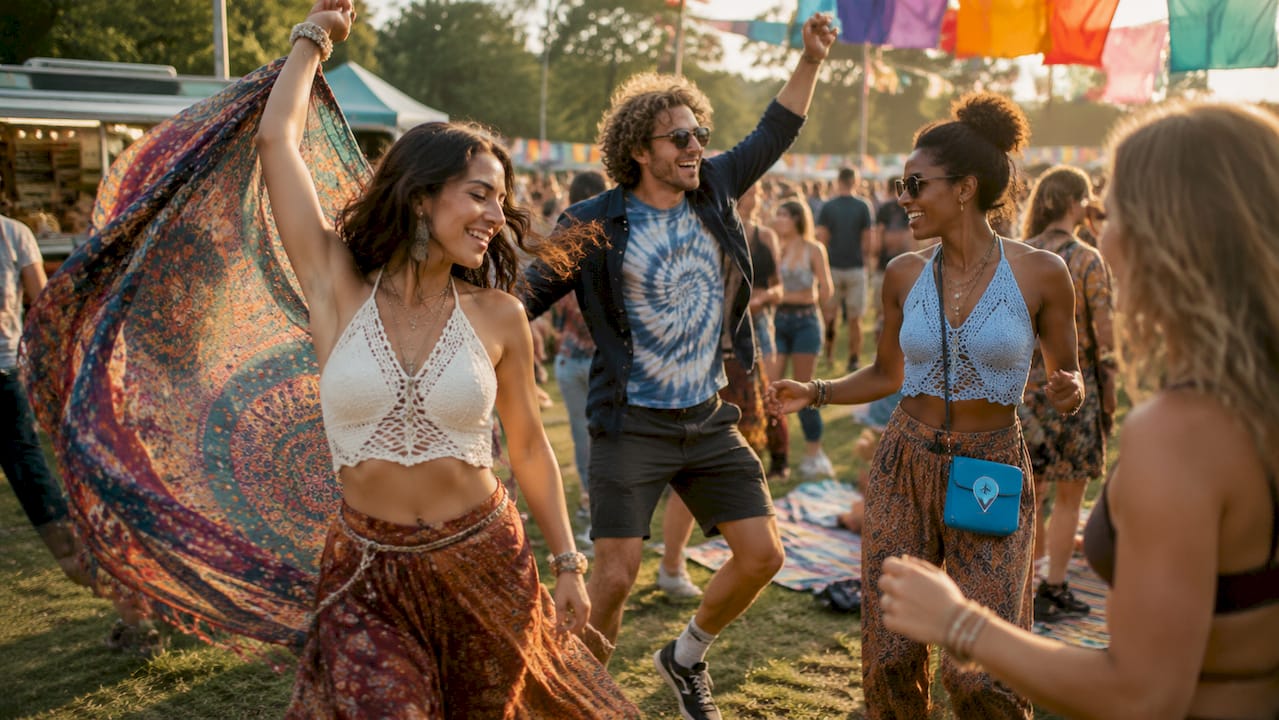
A music travel festival is defined by three things a standard concert lacks: multi-day programming, a destination component, and cultural immersion. You don’t just show up, watch a set, and go home. You travel somewhere, you camp or stay in a nearby city, and you spend days inside an experience that blends headliners with local food, art, and community.
The gig-tripping trend frames the festival itself as a catalyst, not the whole point. The destination becomes the overall value of the trip. The festival is what gets you there. That’s a fundamentally different mindset from buying a ticket to see one artist at your local arena.
Here’s a quick comparison to make this concrete:
| Feature | Standard Concert | Music Travel Festival |
|---|---|---|
| Duration | 2–4 hours | 3–7 days |
| Location | Local venue | Destination city or site |
| Cultural element | Minimal | Central to the experience |
| Ticket structure | Single price | Tiered or lottery-based |
| Travel required | Rarely | Almost always |
Pro Tip: If you’re attending your first music travel festival, pick one within a four-hour flight from home. You’ll spend less time managing logistics and more time actually enjoying it.
What types of music travel festivals exist worldwide?
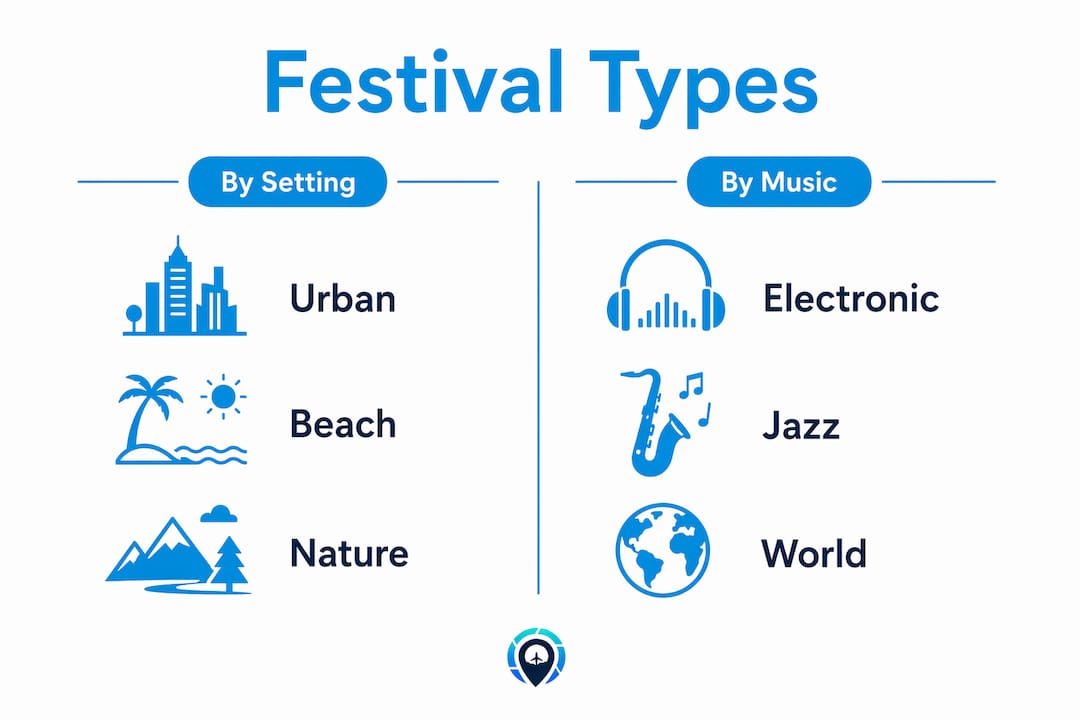
The category is broad, and that’s a good thing. There’s a format for almost every music lover and travel style. Here are the main types you’ll encounter when building your music festival trip ideas:
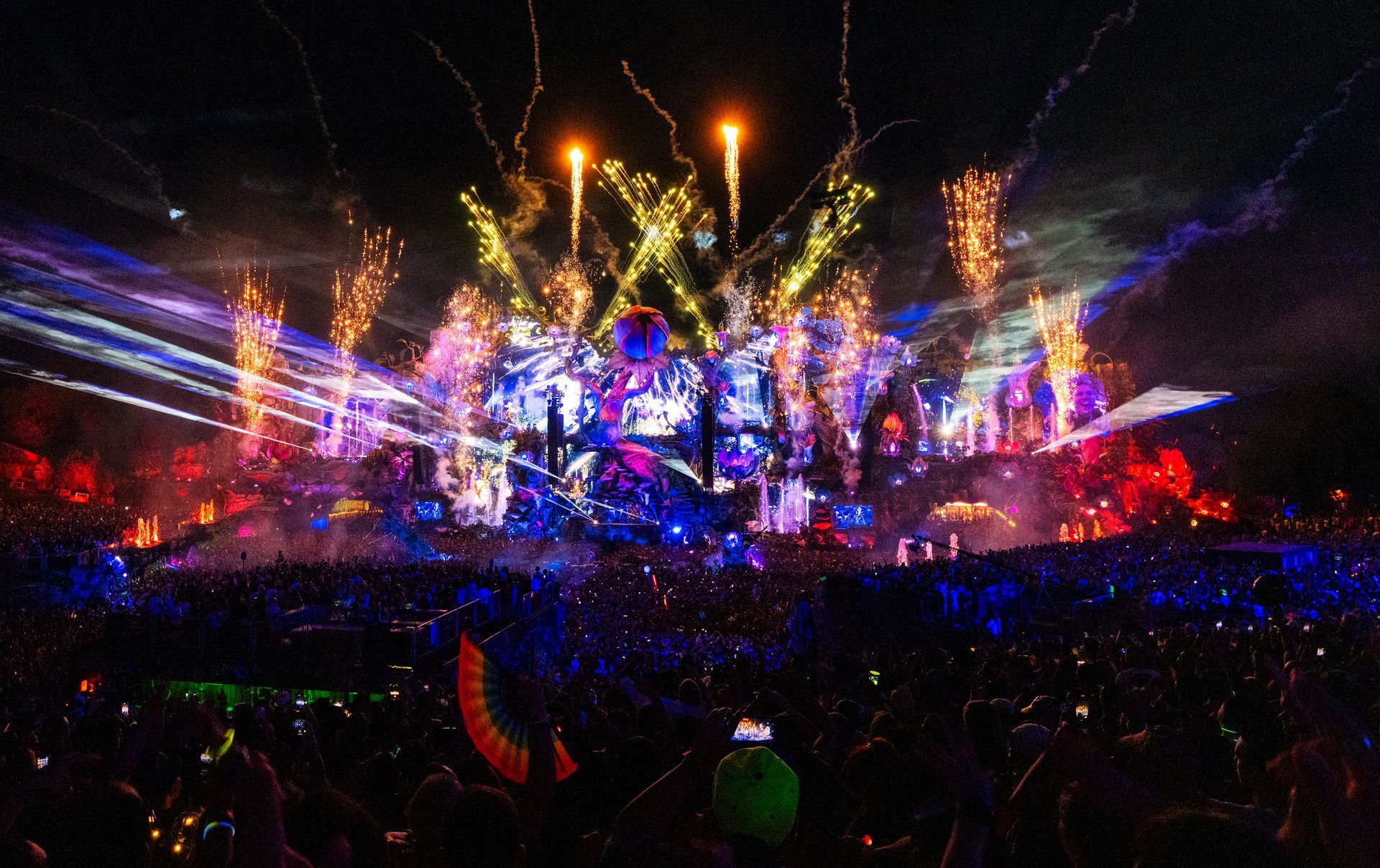
- Large-scale international festivals: Events like Tomorrowland in Belgium draw hundreds of thousands of attendees from across the globe. These are cultural hubs as much as music events, with elaborate stage designs, international food vendors, and programming that runs around the clock.
- Genre-specific festivals: These target hardcore fans of one sound. Think reggae festivals in Jamaica, jazz weekends in New Orleans, or electronic music gatherings in Ibiza. The crowd is passionate and the programming goes deep.
- Boutique festivals: Smaller events with 15,000–40,000 capacity, like Rototom Sunsplash in Spain, often deliver a better experience than massive giants. Less stress, better infrastructure, and you can actually get close to the stage.
- Family-friendly festivals: Events designed with kids in mind, featuring daytime programming, quieter zones, and activities beyond music. Glastonbury in the UK has entire family areas that work surprisingly well.
- Cultural immersion festivals: These are built around a destination’s music heritage. Fes Festival of World Sacred Music in Morocco or WOMAD (World of Music, Arts and Dance) are good examples. The music is inseparable from the place.
The best music travel festivals share one trait: they give you a reason to explore beyond the main stage. That’s what separates a great trip from just a loud weekend.
How do you plan a music travel festival trip?
Planning is where most people either set themselves up for an amazing time or a stressful one. Here’s a practical sequence that works:
-
Choose your festival first, then build the trip around it. Matching festival choice to your music taste and logistical tolerance is the single biggest factor in whether you enjoy yourself. Families should lean boutique. Genre obsessives should go niche. If you hate crowds, skip the 200,000-person events.
-
Register or queue for tickets early. Major festivals like Glastonbury require prior registration before you can even enter the ticket queue. Others like Tomorrowland use tiered pricing with early bird, tier 1, and tier 2 phases. Tiered ticket sales mean the cheapest prices go fast. Set a calendar reminder.
-
Book flights and accommodation immediately after securing tickets. Booking early avoids cost spikes that hit hard once a festival announces its lineup. Accommodation near popular festival sites sells out months in advance.
-
Verify visa requirements well ahead of time. Secondary market ticket purchases pose real fraud risks, and visa complications can derail an entire trip. Buy only through official channels and check entry requirements at least three months out.
-
Budget beyond the ticket price. Think transport to and from the site, on-site food and drinks, camping gear or hotel nights, and a buffer for unexpected costs. A realistic daily on-site budget for a mid-range festival runs $80–$150 per person, not counting accommodation.
-
Plan recovery days. Experienced travelers build at least one rest day into a multi-day festival trip. Balancing festival stamina with recovery prevents the burnout that ruins the final days of an otherwise great trip.
Pro Tip: Book a night in the festival city before the event starts. You’ll arrive rested, have time to pick up supplies, and won’t be scrambling on day one.
What to expect at music festivals when you arrive
Knowing what to expect at music festivals before you get there saves a lot of frustration. The reality is that large festival sites are small cities, and they come with small-city problems.
Cell signal fails regularly in dense crowds. Experienced festival-goers carry printed maps and power banks as standard practice. A high-visibility flag at your campsite sounds silly until you spend 45 minutes trying to find your tent at 2 a.m. in a field of 50,000 identical tents.
Here’s what a typical day at a multi-day music travel festival looks like:
| Time of Day | Typical Activity |
|---|---|
| Morning | Wake up, breakfast, explore vendor areas |
| Afternoon | Smaller stage acts, workshops, local food |
| Early evening | Mid-tier headliners, crowd builds |
| Night | Main stage headliners, peak energy |
| Late night | After-parties, chill zones, camp |
Beyond the schedule, the best advice for maximizing a festival trip is to treat the destination as part of the experience. Travelers now use festivals as a base to explore local culture, food, and music scenes. Spend a morning at a local market. Find a bar where local musicians play. Walk the city before the gates open. That’s where the memories that last beyond the weekend actually come from.
The cultural immersion benefits of combining music events with genuine destination exploration are well documented. You return home with more than a setlist memory.
Key takeaways
A music travel festival works best when you treat the destination as equal in value to the performances themselves.
| Point | Details |
|---|---|
| Definition is distinct | Music travel festivals combine live music with multi-day cultural travel, unlike standard concerts. |
| Festival size matters | Mid-sized festivals (15,000–40,000 capacity) often deliver better logistics and closer access than massive events. |
| Plan in sequence | Secure tickets first, then book flights and accommodation immediately to avoid price spikes. |
| Infrastructure is real | Carry a power bank and printed map; cell signal fails regularly at large festival sites. |
| Explore beyond the stage | Use the festival as a base to discover local food, music, and culture for a fuller trip. |
Why gig-tripping is the travel trend worth taking seriously
I’ve been to festivals where the music was incredible and the trip felt hollow. I’ve also been to festivals where the lineup was just okay, but the city around it made the whole thing unforgettable. That contrast taught me something that took a few trips to fully understand: the festival is the excuse, not the destination.
The gig-tripping shift happening in 2026 isn’t just a marketing label. It reflects a real change in how people think about travel and entertainment. When you start planning a trip around a festival rather than planning a festival visit, everything changes. You give yourself more time. You explore more. You spend money on experiences that outlast the weekend.
My honest advice: don’t default to the biggest name on the poster. I’ve had better experiences at boutique festivals with 20,000 people than at 200,000-person events where I spent half my time in a queue. Choosing a festival that matches your actual tolerance for chaos and your genuine music taste is the difference between a trip you rave about and one you recover from.
If you’re new to this, start with a festival in a city you already want to visit. Let the music pull you there and let the place keep you.
— Justin
Plan your next music festival trip with Travelingportrait
Ready to turn a festival weekend into a full adventure? Travelingportrait has you covered with destination guides, travel gear recommendations, and firsthand festival coverage to help you plan smarter.
Whether you’re eyeing a festival destination in Europe or thinking about expanding into Asia’s festival scene , Travelingportrait’s destination guides give you the local context you need before you land. Pair that with the right travel gear and you’ll show up prepared for whatever the festival throws at you. Start exploring and find the trip that matches your sound.
FAQ
What is a music travel festival in simple terms?
A music travel festival is a multi-day live music event that doubles as a travel experience, combining performances with cultural exploration at a specific destination. The festival acts as the anchor for a broader trip rather than a standalone event.
How many people travel internationally for music festivals?
Approximately 10 million people travel internationally each year primarily for music or cultural festivals, with a 20% recent rise in music-focused travel globally.
What is gig-tripping?
Gig-tripping is the practice of building an entire travel trip around a music festival, treating the destination and local culture as equally important as the performances themselves. It’s the defining travel trend of 2026.
How early should i book for a music travel festival trip?
Book flights and accommodation immediately after securing your festival ticket. High demand near festival venues causes accommodation to sell out months in advance, and prices spike sharply once lineups are announced.
Are smaller festivals better than massive ones?
Mid-sized festivals with 15,000–40,000 capacity often provide a better experience than the largest events, with less logistical stress, better infrastructure, and easier access to stages and facilities.
Recommended
Other Posts You Might Like