Why Iceland Attracts Adventurers: the 2026 Guide
Why Iceland attracts adventurers: the geology explains everything
Iceland functions as a geological laboratory where tectonic forces shape the landscape in real time. The country straddles the Eurasian and North American tectonic plates, which pull apart at a rate of roughly 2.5 centimeters per year. That constant movement fuels volcanic eruptions, creates fissures you can literally walk between, and keeps the ground warm enough to power geothermal energy across the entire country.
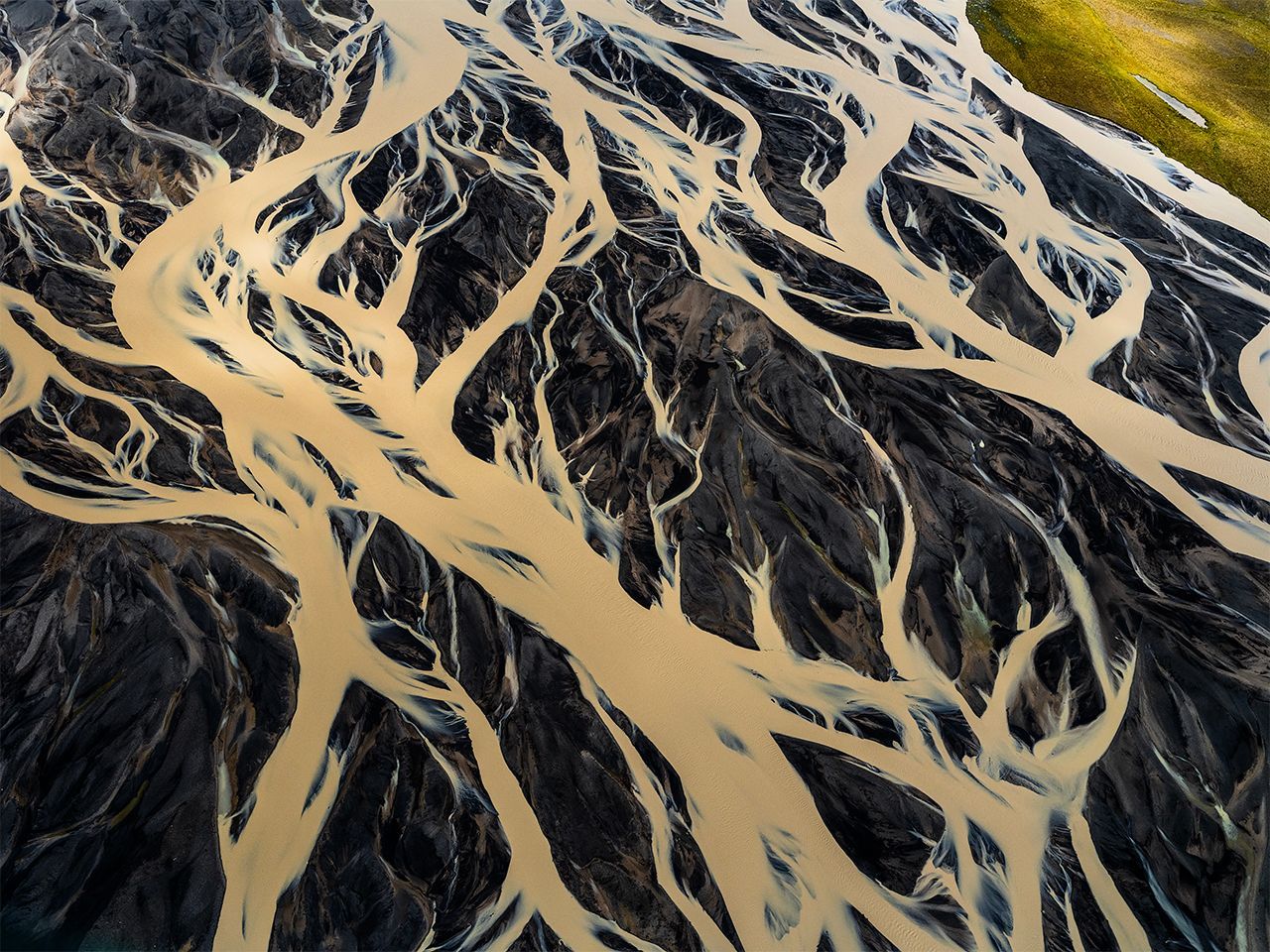
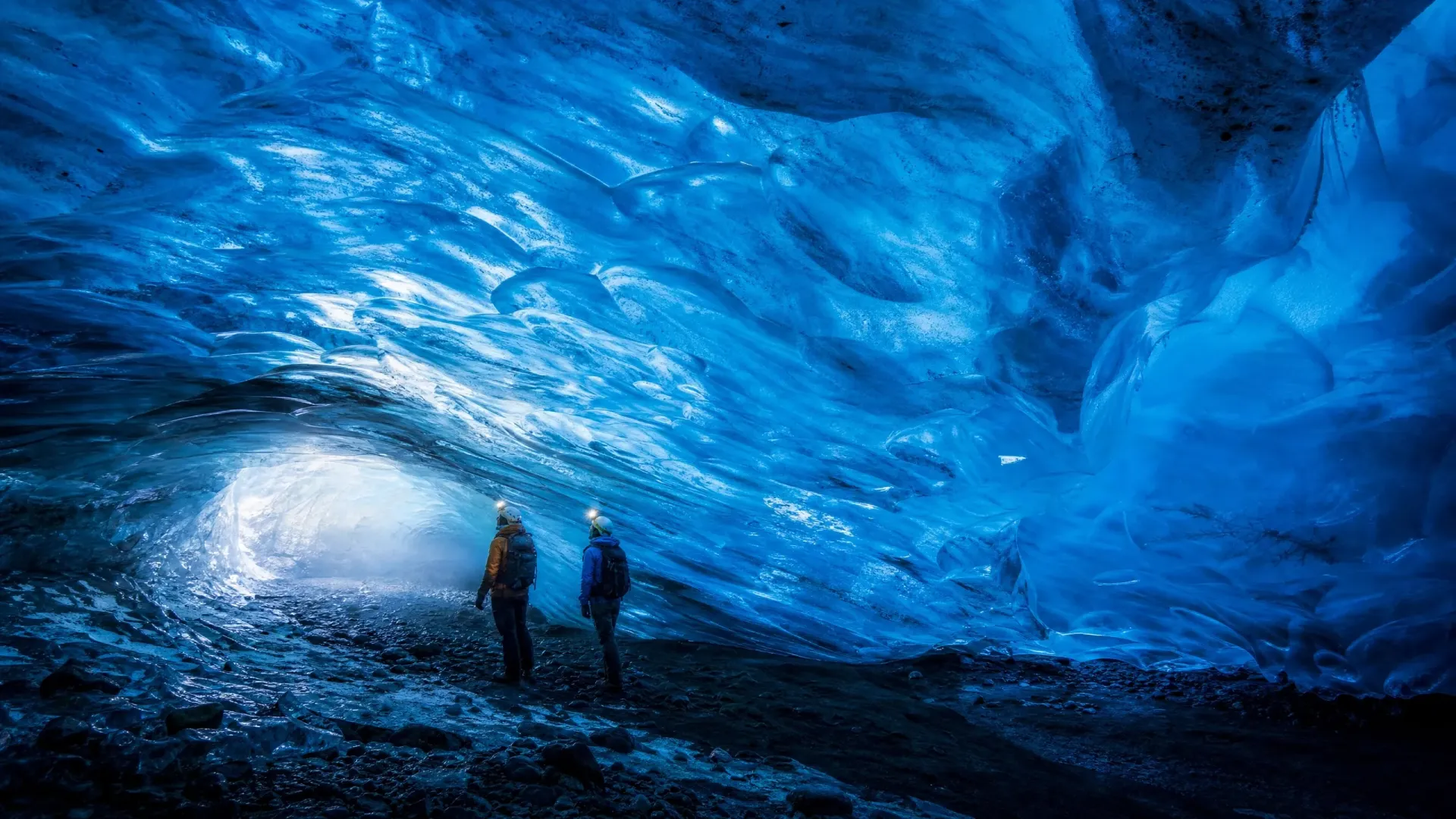
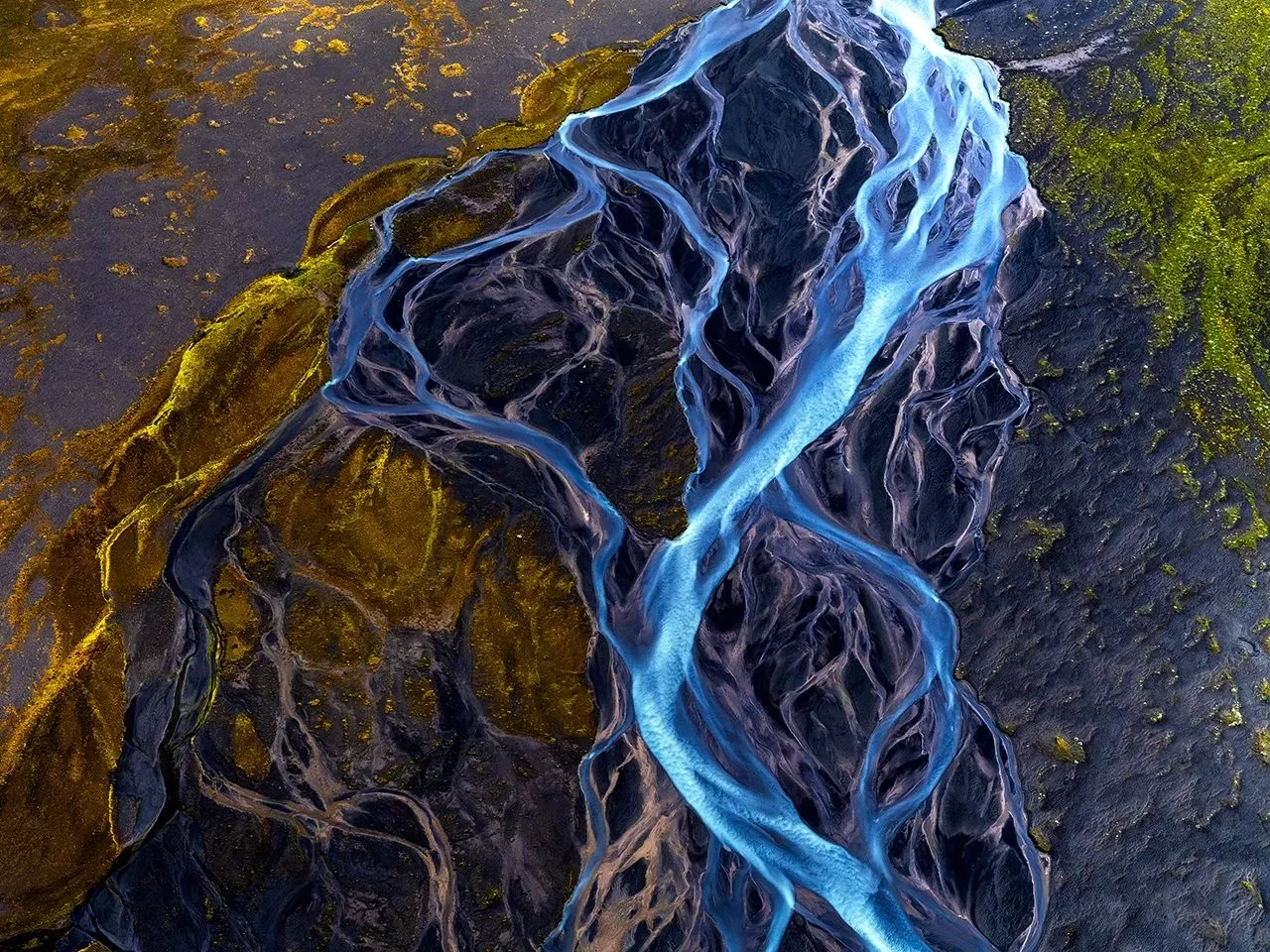
Volcanoes and glaciers coexist here in a way that happens almost nowhere else. Eruptions beneath glaciers have carved out ice cauldrons, built subglacial ridges, and triggered glacial floods called jökulhlaups, which reshape riverbeds and coastlines overnight. The result is a terrain that looks genuinely alien, full of black lava fields, turquoise meltwater rivers, and ice caves lit from within by blue glacial light.
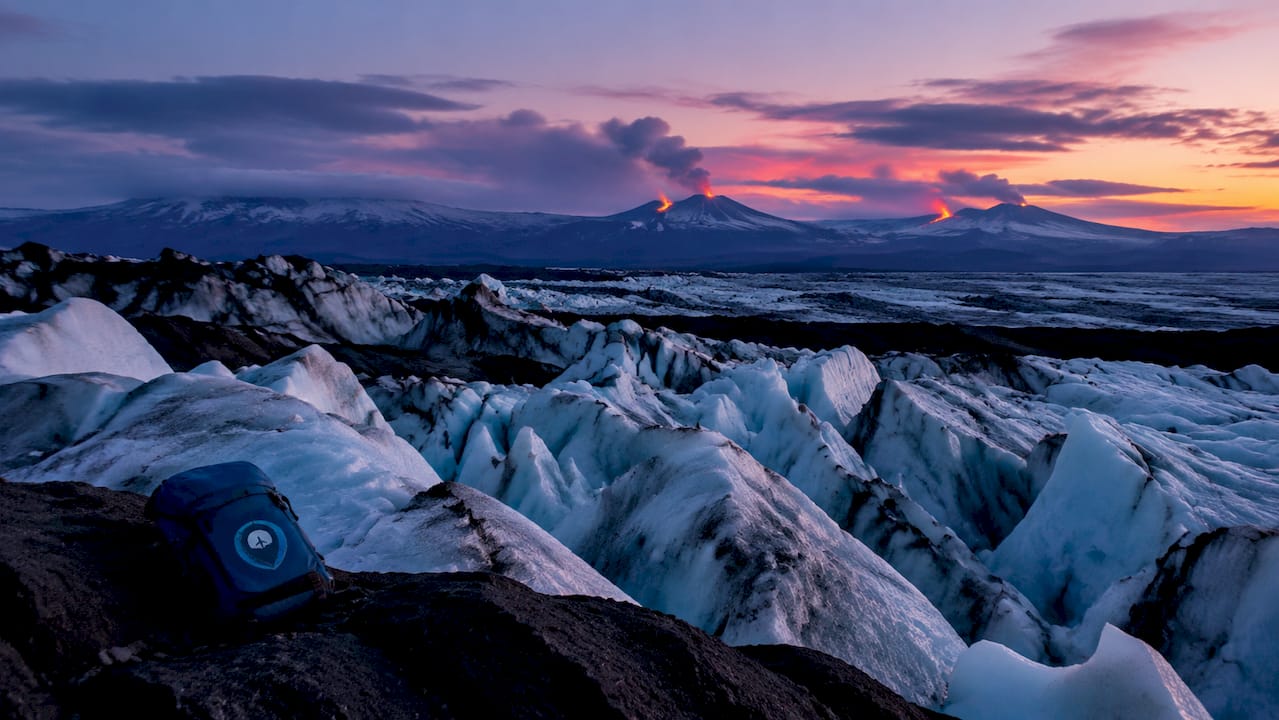
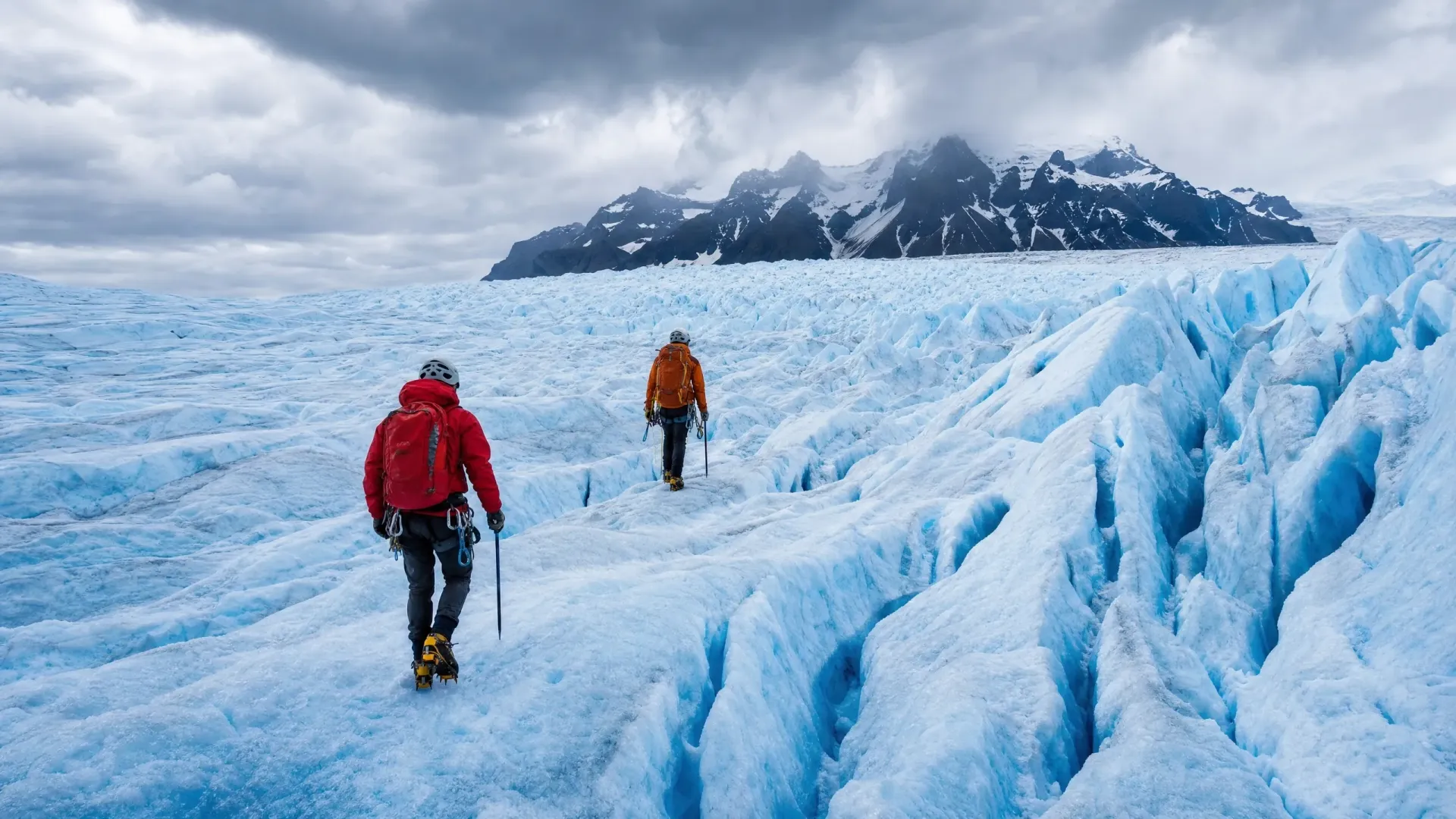
Vatnajökull glacier sits at the center of this drama. Vatnajökull covers about 8,100 km², making it Europe’s largest ice cap. It sits directly above several active volcanic systems, which means the ice above is constantly being sculpted by heat from below. Guided glacier hikes and ice cave tours run year-round on Vatnajökull, with summer offering crampons-on-ice hiking and winter revealing the electric blue ice caves that form only in colder months.
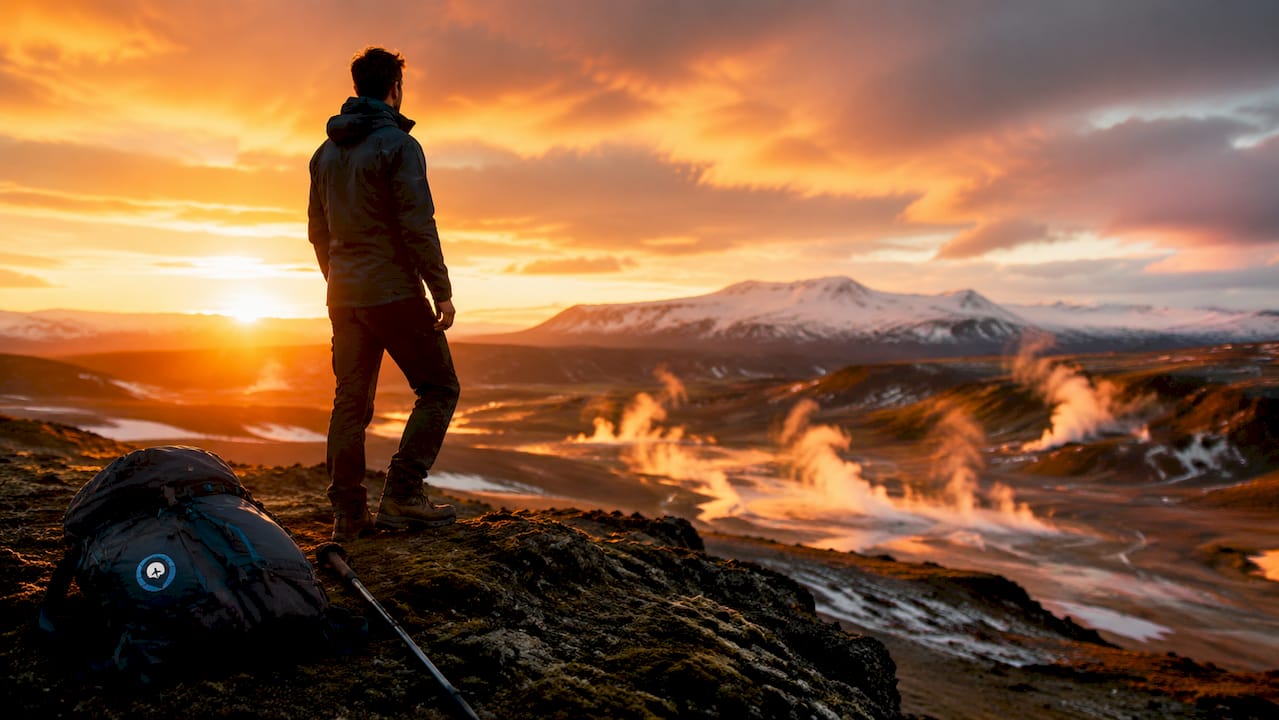
Geothermal activity adds another layer of adventure appeal. Geysers like Strokkur erupt every few minutes. Hot springs bubble up across the highlands. The Blue Lagoon near Reykjavik and the lesser-known Landmannalaugar hot springs in the interior give adventurers a way to recover after brutal hikes without traveling far. Iceland’s geology doesn’t just create dramatic scenery. It creates the conditions for a dozen different outdoor activities in Iceland, all within a single trip.
Pro Tip: Book glacier hikes and ice cave tours at least 6 weeks in advance during peak season. Certified guide companies like those operating on Vatnajökull fill up fast, and conditions can cancel tours with little notice.
What are the best adventures in Iceland by season?
Seasonality shapes every Iceland bucket list experience. The country’s adventure calendar splits cleanly into two windows, and knowing which one matches your goals saves a lot of frustration.
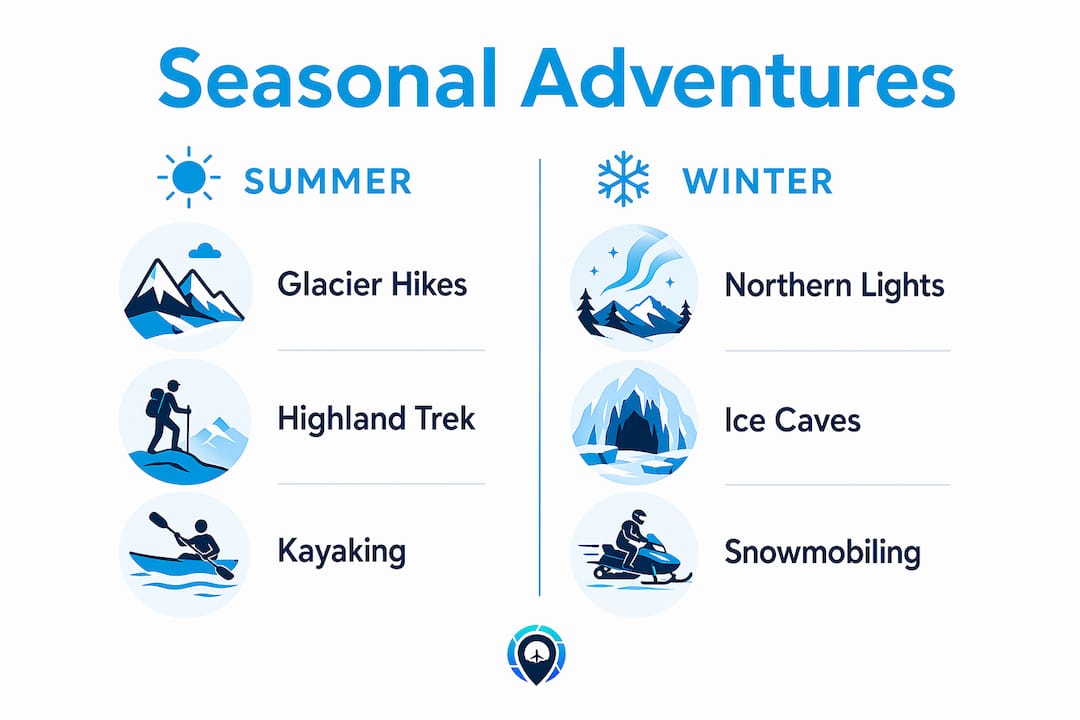
Summer adventures (june through august):
- Glacier hiking on Vatnajökull and Sólheimajökull is at its most accessible. Long daylight hours, including the midnight sun, mean you can hike well past 10 p.m. with full visibility.
- White-water rafting on the Hvítá River near Gullfoss delivers Class III and IV rapids through canyon walls carved by glacial meltwater.
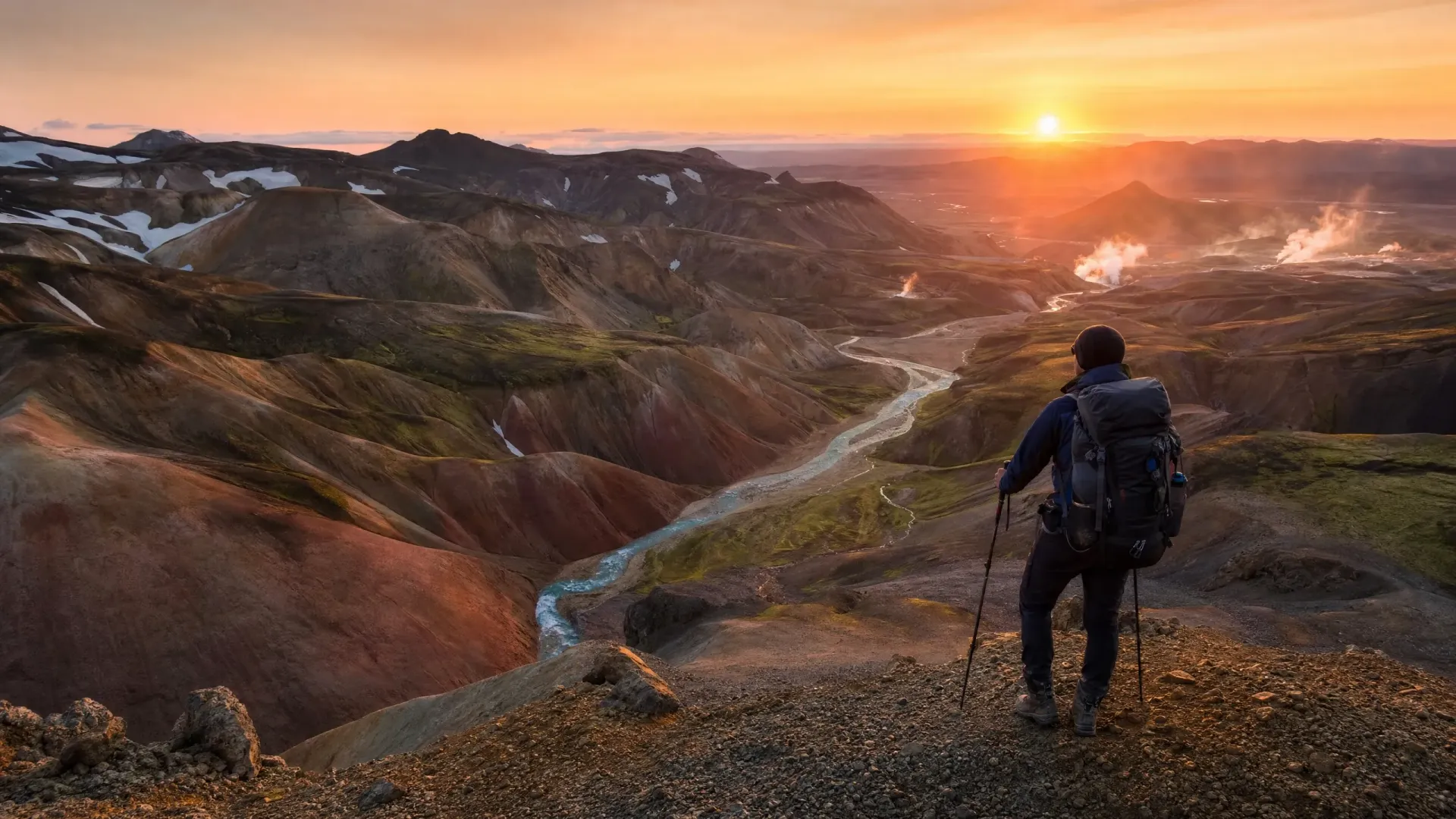
- Highland trekking on routes like Laugavegur and Fimmvörðuháls opens up once the snow melts, typically in late june or early july. These trails cross lava fields, rhyolite mountains, and glacial rivers.
- Kayaking around the Jökulsárlón glacial lagoon lets you paddle between floating icebergs calved from Breiðamerkurjökull glacier.
- Puffin watching along the Westfjords and Látrabjarg cliffs peaks in july and august, when millions of puffins nest on the sea cliffs.
Winter adventures (november through march):
- Ice caving inside Vatnajökull reaches peak conditions in january and february, when the ice is coldest and most stable.
- Snowmobiling across the glacier surface gives you speed and scale that hiking simply can’t match.
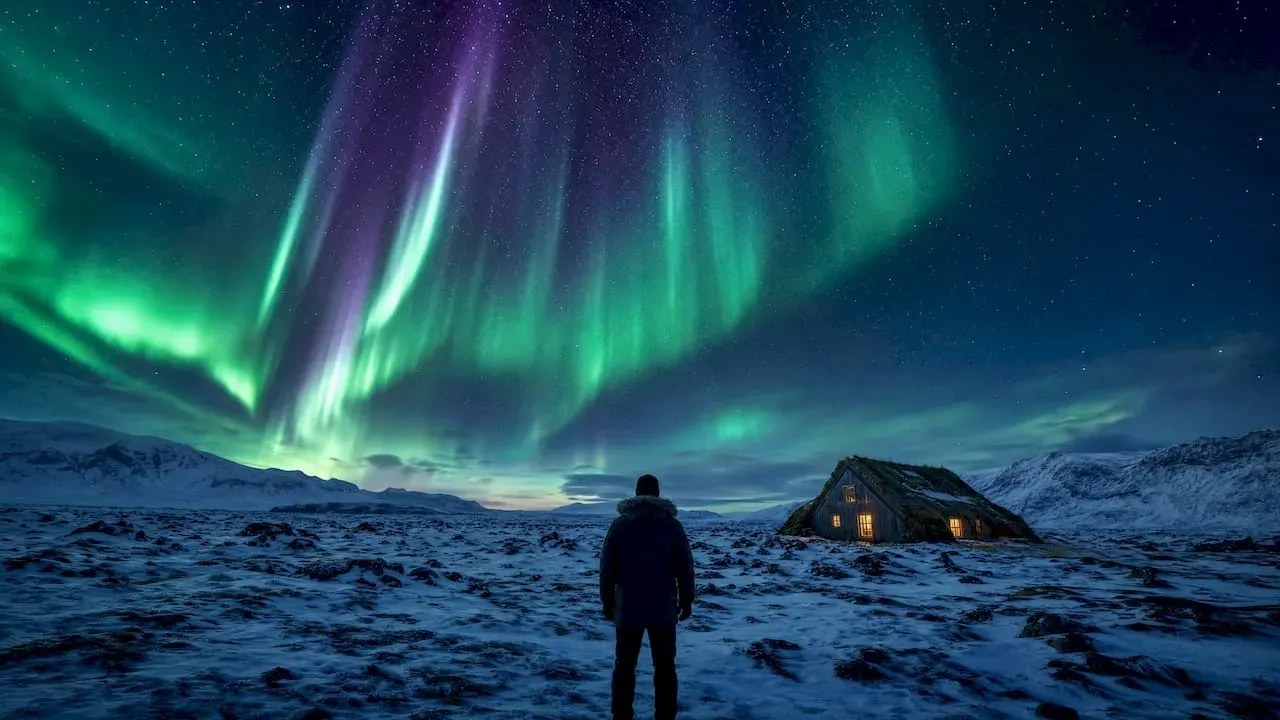
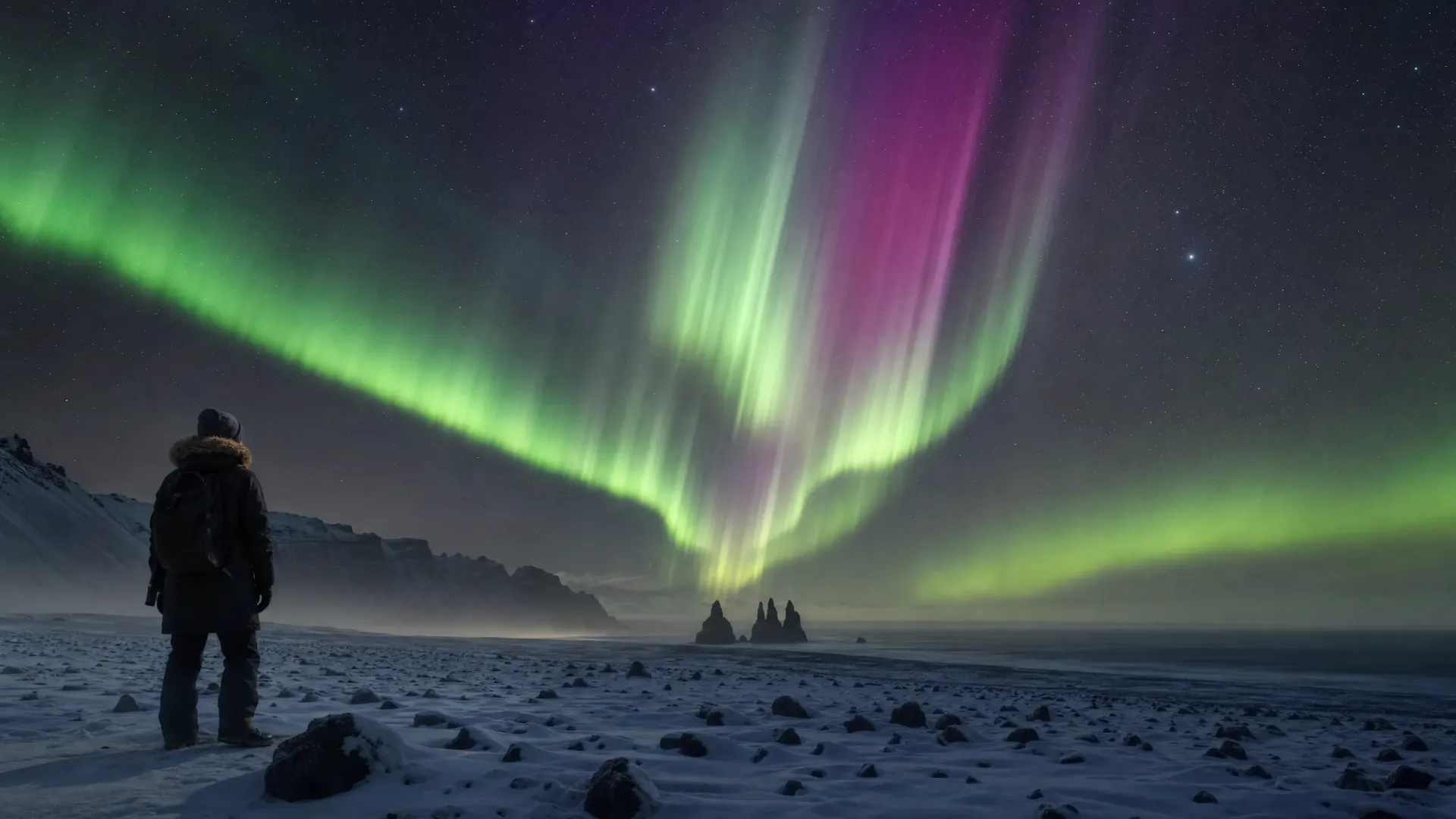
- Northern Lights tours run from september through april, with the darkest nights in december and january offering the best viewing odds.
- Super Jeep tours into the highlands access terrain that standard vehicles can’t reach, even in winter.
Summer and winter each deliver distinct adventure opportunities, so the “best” season depends entirely on what you’re chasing. Glacier hiking and kayaking belong to summer. Ice caves and aurora tours belong to winter. Many adventurers plan two separate trips to catch both.
Pro Tip: If you’re targeting the Northern Lights, avoid the full moon period. A dark, clear sky away from Reykjavik’s light pollution, like near Vik or the Snæfellsnes Peninsula, gives you the best shot.
Iceland is defined as one of Earth’s most geologically active countries, and that raw, volatile energy is exactly why Iceland attracts adventurers from every corner of the globe. Sitting on the Mid-Atlantic Ridge, Iceland packs glaciers, active volcanoes, lava fields, and geothermal hot springs into a country roughly the size of Kentucky. You can hike a glacier in the morning, soak in a geothermal pool by afternoon, and chase the Northern Lights after dark. No other destination on Earth offers that kind of intensity at that kind of density. Iceland adventure tourism has exploded in recent years, and once you understand the geography, it’s easy to see why.
How does Iceland’s compact size make multi-adventure trips possible?
Iceland’s small size is one of its most underrated advantages for thrill-seekers. Iceland’s compact geography lets adventurers move between glaciers, volcanoes, and geothermal areas without multiple flights or multi-day drives. Most major adventure sites sit within a few hours of Reykjavik along Route 1, the famous Ring Road that circles the entire country.
| Destination | Distance from Reykjavik | Key adventure activity |
|---|---|---|
| Vatnajökull glacier | ~375 km | Glacier hiking, ice caves |
| Landmannalaugar highlands | ~180 km | Highland trekking, hot springs |
| Jökulsárlón lagoon | ~380 km | Kayaking, iceberg walks |
| Snæfellsnes Peninsula | ~180 km | Volcano hiking, coastal kayaking |
| Þórsmörk valley | ~150 km | Trekking, river crossings |
Compare this to Patagonia, where the Torres del Paine trek alone requires a flight to Punta Arenas plus a four-hour bus ride just to reach the trailhead. Or consider New Zealand’s South Island, where the distance between Fiordland and the Southern Alps demands at least a full travel day. Iceland compresses equivalent geological drama into a fraction of the space.
The Ring Road makes logistics genuinely manageable. A well-planned Iceland itinerary can stack glacier hiking, a volcano visit, a geothermal soak, and a coastal wildlife stop into a single seven-day loop. That kind of adventure density is rare. For travelers with limited vacation time, Iceland delivers more per day than almost any other extreme destination on Earth.
How do safety and guided tours shape Iceland’s adventure experience?
Adventure appeal and risk management are inseparable in Iceland. ICE-SAR and the Icelandic Tourist Board run the Safe Travel initiative, which urges all adventurers to register their itineraries before heading into remote areas. Itinerary registration dramatically improves rescue response times when conditions turn dangerous.
Here’s what responsible Iceland adventure travel looks like in practice:
- Register your travel plan at SafeTravel.is before any highland or glacier excursion. This is free and takes five minutes.
- Check road and weather conditions daily at road.is and vedur.is. Conditions in Iceland change fast, and what was passable at 8 a.m. can be flooded by noon.
- Use certified guides for glacier and ice cave activities. Crevasses on Vatnajökull are invisible from the surface and can be fatal without proper equipment and route knowledge.
- Respect F-road restrictions. Highland F-roads require 4WD vehicles and are closed seasonally. Driving a standard car on an F-road is illegal and risks both your safety and a significant fine.
- Carry emergency gear on any highland trek. A satellite communicator, emergency bivouac, and extra food are standard kit for serious Iceland travel.
Guided expeditions do more than keep you safe. Expert-led Iceland exploration turns extreme landscapes into curated learning experiences, where guides explain the geological forces shaping the terrain around you. That combination of thrill and education is a big part of why Iceland’s adventure tourism keeps growing. Iceland recorded nearly 4.9 million foreign overnight hotel stays in 2025, with growth of 8.9% year over year. That number reflects genuine demand, not just hype.
What natural phenomena make Iceland irresistible to thrill-seekers?
Beyond the adventure sports, Iceland offers natural phenomena that are genuinely hard to find anywhere else. These experiences add depth to any Iceland travel itinerary and often become the moments adventurers remember most.
- Northern Lights (Aurora Borealis). Aurora tours run from september through april, with peak activity during solar maximum periods. Iceland’s low light pollution outside Reykjavik makes it one of the best places on Earth to see the aurora.
- Midnight sun. From mid-may through late july, the sun barely sets. Hiking at midnight under full daylight is genuinely surreal and adds hours to every adventure day.
- Whale watching. Húsavík in North Iceland is considered one of Europe’s premier whale-watching destinations. Humpback whales, minke whales, and occasionally blue whales feed in the waters off the north coast from april through october.
- Puffin colonies. Iceland hosts the world’s largest Atlantic puffin population. Seeing millions of them launch off the Látrabjarg cliffs in a single morning is one of those experiences that stops you cold.
- Geothermal bathing. After a full day of glacier hiking or highland trekking, soaking in a natural hot spring at Landmannalaugar or the Reykjadalur hot river is recovery that feels like a reward. It’s also genuinely therapeutic after cold-weather exertion.
These phenomena don’t just add variety. They make Iceland feel like a destination that keeps giving, no matter how many times you visit.
Key Takeaways
Iceland attracts adventurers because it combines active volcanoes, Europe’s largest glacier, geothermal features, and extreme outdoor activities within a compact, navigable country.
| Point | Details |
|---|---|
| Geology drives the adventure | Iceland’s position on the Mid-Atlantic Ridge creates glaciers, volcanoes, and geothermal areas that enable diverse extreme activities. |
| Seasonality determines your options | Summer unlocks glacier hiking, rafting, and highland trekking; winter delivers ice caves, snowmobiling, and Northern Lights tours. |
| Compact size maximizes adventure density | Most major sites sit within a few hours of Reykjavik, making multi-activity itineraries realistic in seven days or less. |
| Safety planning is non-negotiable | Registering travel plans with SafeTravel.is and using certified guides on glaciers and F-roads protects both your life and your trip. |
| Natural phenomena extend the appeal | The Northern Lights, midnight sun, whale watching, and geothermal bathing add layers of experience beyond adventure sports alone. |
Iceland changed how I think about adventure travel
I’ve spent time in Patagonia, the Dolomites, and the Canadian Rockies. All of them are spectacular. But Iceland hit differently, and I’ve been trying to put my finger on exactly why ever since.
The honest answer is density. On one trip, I hiked a glacier at 7 a.m., watched Strokkur erupt at noon, drove through a lava field that looked like the surface of Mars by 3 p.m., and soaked in a highland hot spring while the sun was still blazing at 9 p.m. That kind of day doesn’t happen anywhere else. Not even close.
What surprised me most was how much the guided experiences added to the thrill rather than diluting it. I went in thinking a guided glacier hike would feel sanitized. It didn’t. The guide pointed out a crevasse two meters off the trail that I would have walked straight toward. That moment recalibrated my respect for the ice fast. The expertise didn’t reduce the adventure. It deepened it.
My advice to anyone planning their first Iceland trip: don’t try to do it all in one go. Pick a season, commit to it, and build your itinerary around what that season does best. If you go in winter, chase the ice caves and the aurora. If you go in summer, get into the highlands. Trying to do everything at once means doing nothing well. Iceland rewards focus. Come back for the rest. You will want to.
— Justin
Plan your Iceland adventure with Travelingportrait
Travelingportrait has been covering Iceland’s wild terrain for years, from camper van routes through the highlands to guided photography tours on the glacier. If you’re serious about getting the most out of Iceland, the planning resources and firsthand guides on the site will save you real time and real mistakes.
Whether you’re gearing up for your first glacier hike or building a two-week multi-adventure itinerary, the adventure travel essentials guide on Travelingportrait covers the fundamentals every explorer needs before landing in Reykjavik. You’ll also find gear recommendations, photography tips for Iceland’s extreme light conditions, and destination guides that go well beyond the obvious stops. Iceland is waiting. Go prepared.
FAQ
Why does Iceland attract so many adventure travelers?
Iceland sits on the Mid-Atlantic Ridge, giving it active volcanoes, glaciers, geothermal features, and lava fields all within compact travel distances. That geological density makes it possible to stack multiple extreme activities into a single trip.
What is the best time of year to visit Iceland for adventure?
Summer (june through august) is best for glacier hiking, highland trekking, and kayaking. Winter (november through march) is best for ice caves, snowmobiling, and Northern Lights tours.
Is Iceland safe for adventure travel?
Iceland is safe when adventurers follow official guidance. Registering travel plans at SafeTravel.is , using certified guides on glaciers, and respecting F-road vehicle requirements are the three most critical safety steps.
What is Vatnajökull and why does it matter for adventurers?
Vatnajökull is Europe’s largest ice cap at roughly 8,100 km². It sits above active volcanic systems and offers year-round guided glacier hiking and world-class ice cave experiences.
Do I need a guide for Iceland adventure activities?
Certified guides are required for glacier and ice cave activities on Vatnajökull. For highland F-road travel, a proper 4WD vehicle and daily condition checks are legally required, and a guide is strongly recommended for first-time visitors.
Recommended
Other Posts You Might Like